
Doors · Guide
Drafty Front Door This Winter? Weatherstripping, Door Sweeps and When the Door Itself Is the Problem
Fix N Clean ·
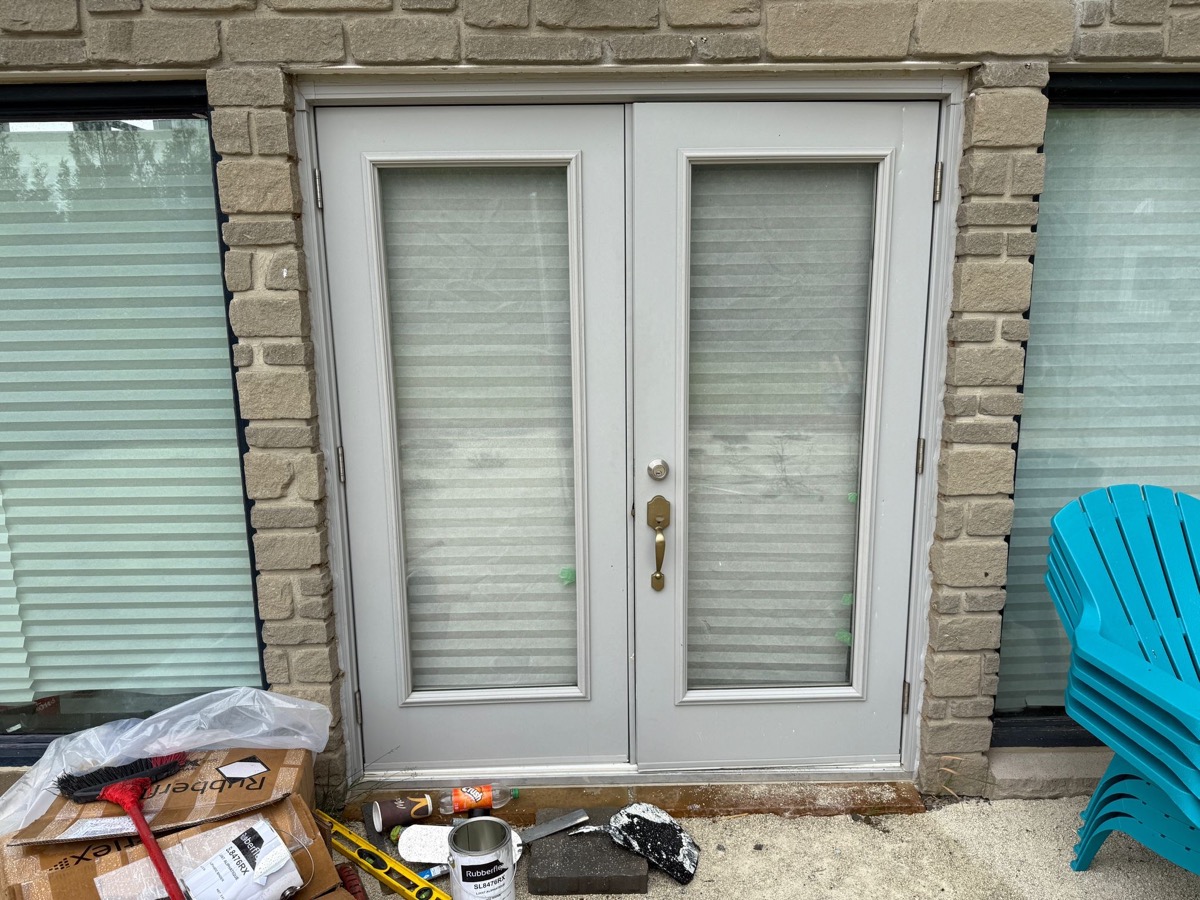
On a windy January night you can feel it from across the hall: cold air sliding in around the front door. Sometimes it whistles. Sometimes there's frost on the inside of the deadbolt.
Most drafty doors can be fixed without replacing anything big. Here's how to find the leak, what you can fix yourself in an afternoon, and when the door or frame is the real problem.
Find where the air is getting in
Wait for a cold, windy day, then check:
- Daylight test. Turn off the hall lights during the day. Light showing around the edges or under the door means a gap.
- Paper test. Close the door on a sheet of paper at a few spots along the latch side, the hinge side and the top. If it slides out with no drag, the seal isn't touching there.
- Hand or incense test. Move a damp hand or a lit stick of incense slowly around the frame. Wherever the smoke flickers, air is moving.
- Look for clues. Frost or condensation on the inside of the frame, a worn bare spot on the floor, or weatherstripping that's flattened, torn or missing.
Note where the gap is. It tells you which fix you need.
Gap at the bottom: the door sweep or the threshold
The most common draft is under the door. Two parts handle it:
- The door bottom or sweep. A rubber or vinyl strip on the bottom edge of the door. On most steel and fibreglass doors it slides into slots along the bottom. These wear, tear and go flat.
- The threshold. The strip on the floor that the door closes against. Many have an adjustable top you can raise with screws hidden under small caps.
A new door bottom plus raising an adjustable threshold a turn or two fixes a lot of drafts. Take the old door bottom with you to the hardware store so you can match the profile. They aren't all the same.
Gap along the sides or top: the weatherstripping
Most newer entry doors use compression weatherstripping that presses into a slot in the frame. As it ages it goes flat and stiff, especially on south- and west-facing doors that bake in the sun all summer.
You can often pull the old strip out by hand and press a new one into the slot. Bring a piece with you to match it. Stick-on foam tape on an old wood frame is a stopgap, not a long-term fix.
When the door doesn't close tight
If new weatherstripping doesn't help, the door may not be closing evenly against it. Signs:
- You have to slam the door or lift the handle to get it to latch
- The deadbolt is hard to throw unless you push on the door
- There's a wide gap at the top on the latch side, and the door rubs at the bottom
- Hinge screws are loose or stripped
That's usually alignment. Loose hinges let the door sag, and a sagging door can't seal. Sometimes longer hinge screws that bite into the wall framing fix it. Sometimes the strike plate needs to move. Our door repair service handles hinge, alignment and frame repairs.
When the door itself is the problem
Weatherstripping can't save a door that's failed. Think about a new entry door when:
- A wood door is warped, split or soft along the bottom
- A steel door is rusted through at the bottom edge or dented badly enough that it won't seal
- The frame is rotting, usually at the bottom of the jambs where water and salt sit
- The glass insert or sidelights are fogged or drafty around the edges
- The door was damaged in a break-in and patched rather than properly repaired
A new door goes in with a new frame, weather sealing and a reinforced strike plate, so the draft and the security get handled together. See our doors page for entry, French and patio doors.
Don't forget the patio door
Sliding patio doors leak too. Worn pile weatherstripping (the fuzzy strips), tired rollers that let the panel sit low, and a latch that doesn't pull the door tight all let the cold in. Patio door glass and hardware are on our windows page.
What we see in GTA homes
In older semis and detached houses around the Danforth, Leslieville and the Junction, front doors are often original wood, or older replacements in frames that have shifted as the house settled. Those usually need more than a strip of foam.
In 1990s and 2000s subdivisions in Vaughan, Markham and Mississauga, many original builder-grade steel doors are at the age where the weatherstripping and door bottom are worn out, and the bottom of the frame is starting to soften.
In condos, the unit entry door is usually a building-controlled fire door. Talk to management before changing anything on it.
Quick fixes for tonight
- Roll a towel along the bottom of the door
- Use a fabric draft stopper on the floor
- Close the inner door to the front hall if you have one
- Don't tape the door shut if it's an exit you need
What to send us
Call or text (365) 360-4168 with:
- A photo of the whole door from inside and outside
- Close-ups of the bottom corners, the weatherstripping and the hinges
- Whether the door is steel, fibreglass or wood
- Your area, whether that's North York, Etobicoke, Vaughan, Markham or downtown Toronto
You can also send the details through our quote form. Our FAQ answers common window and door questions.
Feeling a draft every time you walk past the door? Call or text Fix N Clean at (365) 360-4168.
Talk to Fix N Clean
Call or text (365) 360-4168 with a photo of the problem, or send the details through our quote form.
Services for this problem
- Door Frame Repair
Sticking, sagging or cracked: frame, jamb and hinge repairs that get a door closing cleanly.
- Entry Door Installation
Steel, fibreglass and wood front doors installed with new frames, sealing and hardware.